Comparable totals start with comparable instructions
Two offers can have different totals because they describe different work. One might cover flat panels; another might include profiles, special edges or a different packing scope. Start with a consistent request so each supplier knows which components and services should be priced.
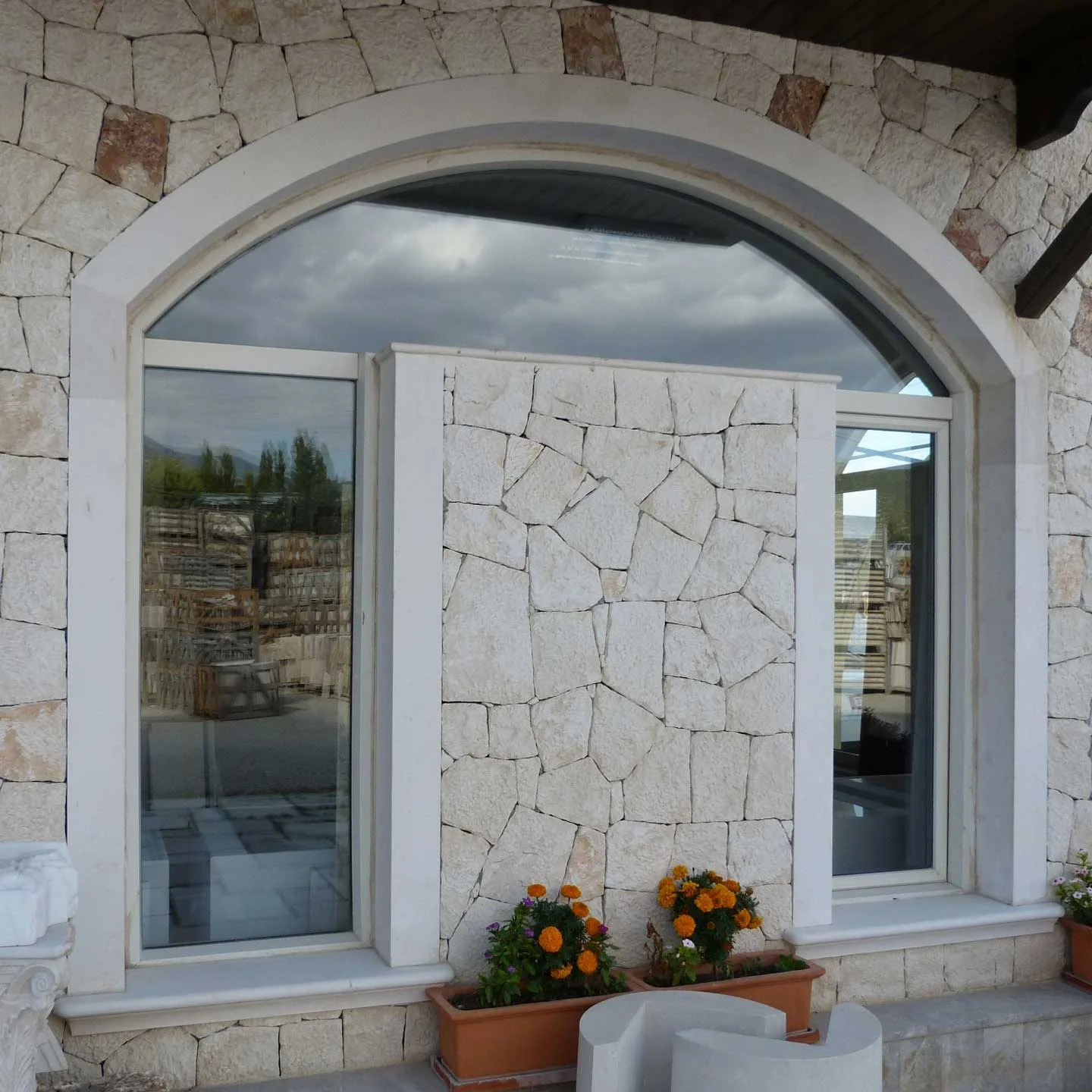
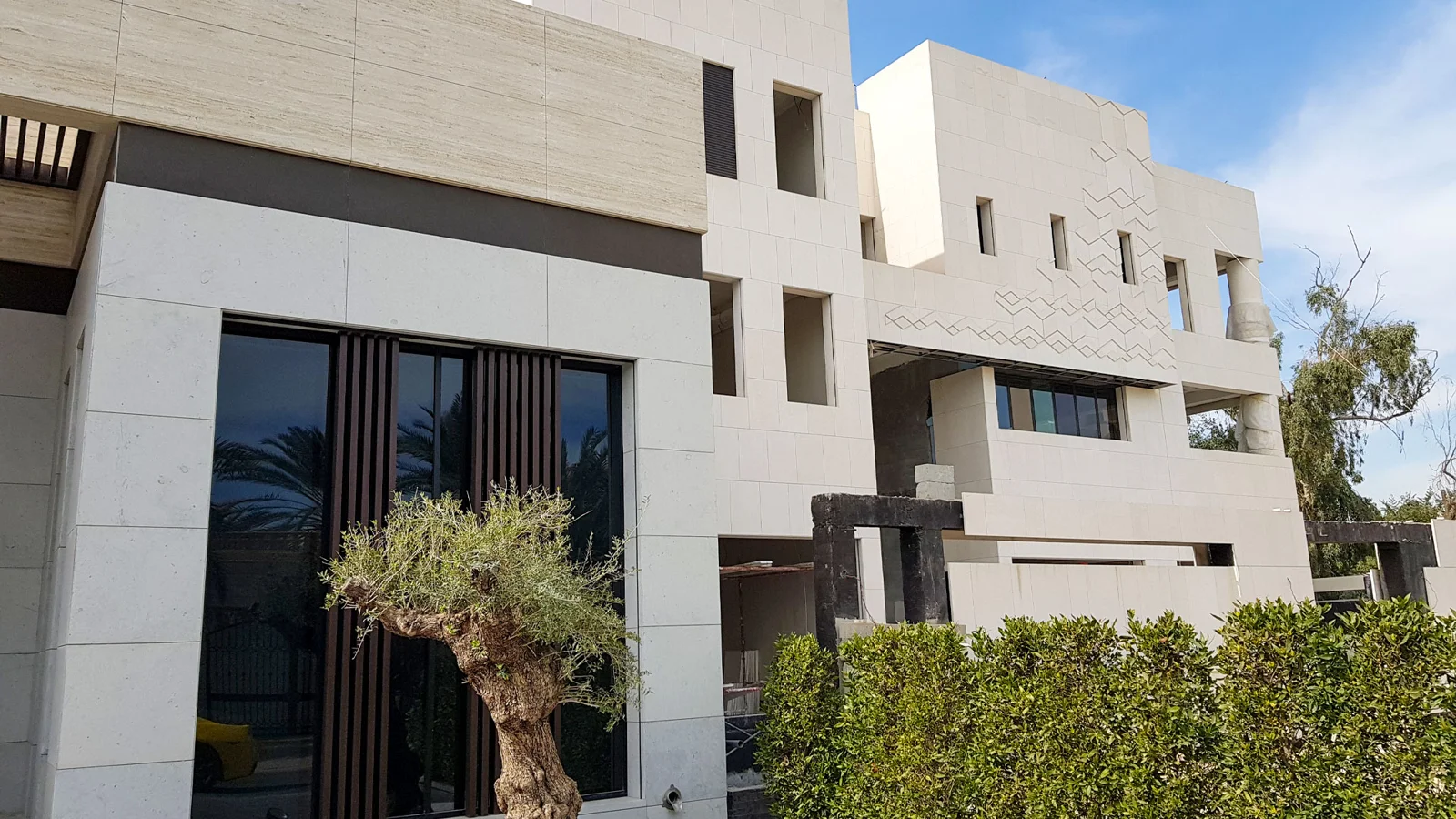
Name the application and provide the project city and state. Include the drawings and a piece or area schedule. Distinguish facade panels, frames, sills and other architectural elements instead of presenting them as one undifferentiated stone quantity.
Resolve the dimension language
Identify whether inch or metric dimensions control the production schedule. Nominal inch formats and rounded metric formats are not automatically identical. Where the design uses both, mark the controlling dimensions and ask that any conversion be resolved before fabrication.
Include the required finish and edge treatment for each type. Clearly identify special shapes, corners and returns. If a drawing is not ready, label the quantity as an estimate and ask what additional information is needed to finalize the production scope.
List services separately
Ask the offer to state whether it includes samples, shop drawings, testing, attachment hardware, engineering or installation. Those services should not be inferred from the phrase “facade supply.” Identify the parties responsible for reviewing and coordinating them.
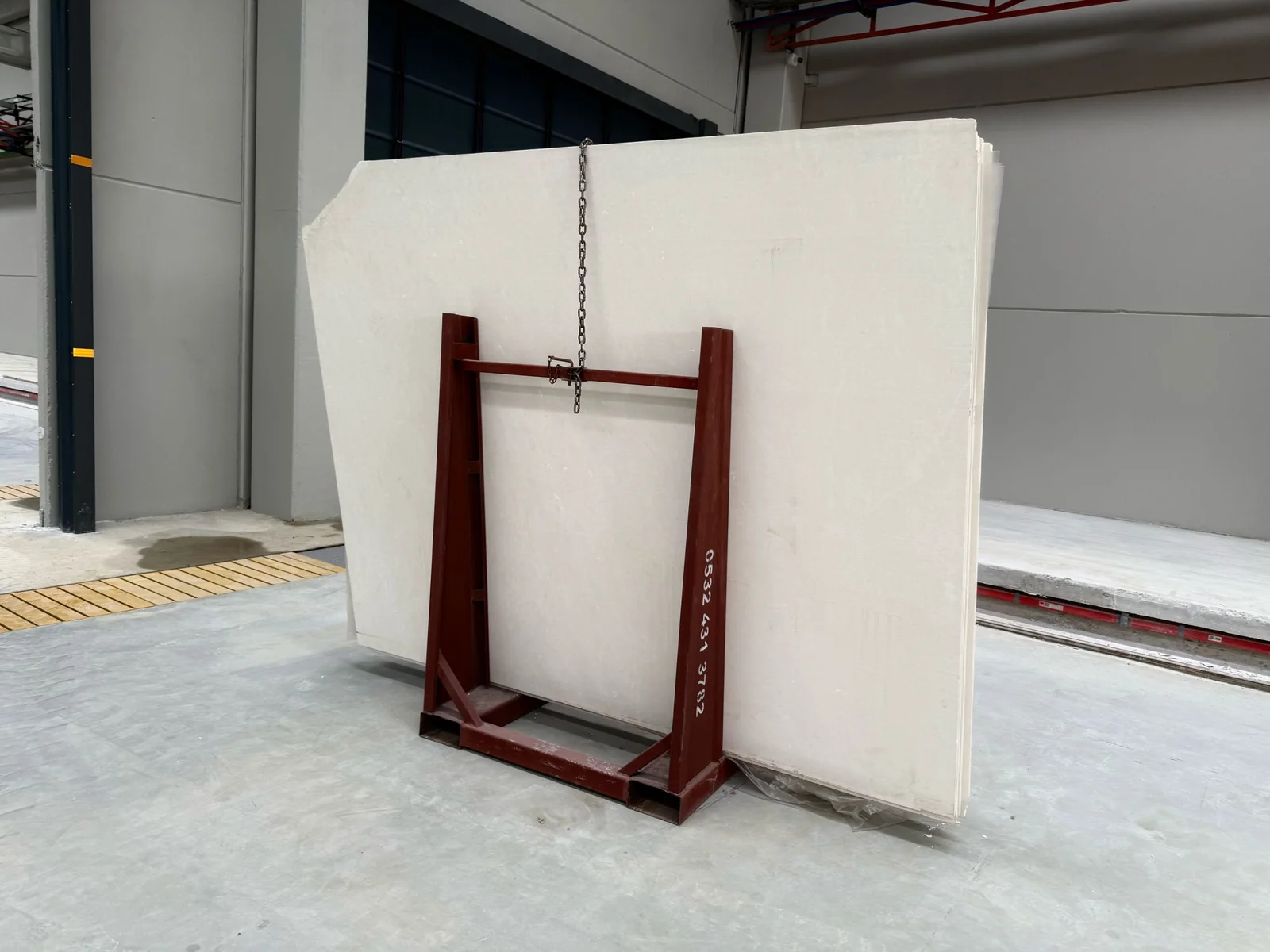
Include the production schedule, packing and proposed delivery terms in the discussion. The destination and unloading conditions help define the logistics scope. Ask the supplier to state assumptions and exclusions so the project team can compare offers on the same basis.
Use a comparison that survives revision
Keep a dated issue of the inquiry and record the drawing revision used for each offer. When a design change adds a profile or alters panel dimensions, ask for the affected scope to be updated. A revised total without a clear change record can make later comparisons misleading.
A useful first inquiry does not require every fabrication decision to be final. It does require clear boundaries between confirmed information and estimates. Send the available project detail, then agree the information needed for the next quotation stage.
Bring it into your project.
Share your material preference, drawings and delivery destination to start a defined stone supply conversation.
Discuss your project