The useful comparison is between two real selections
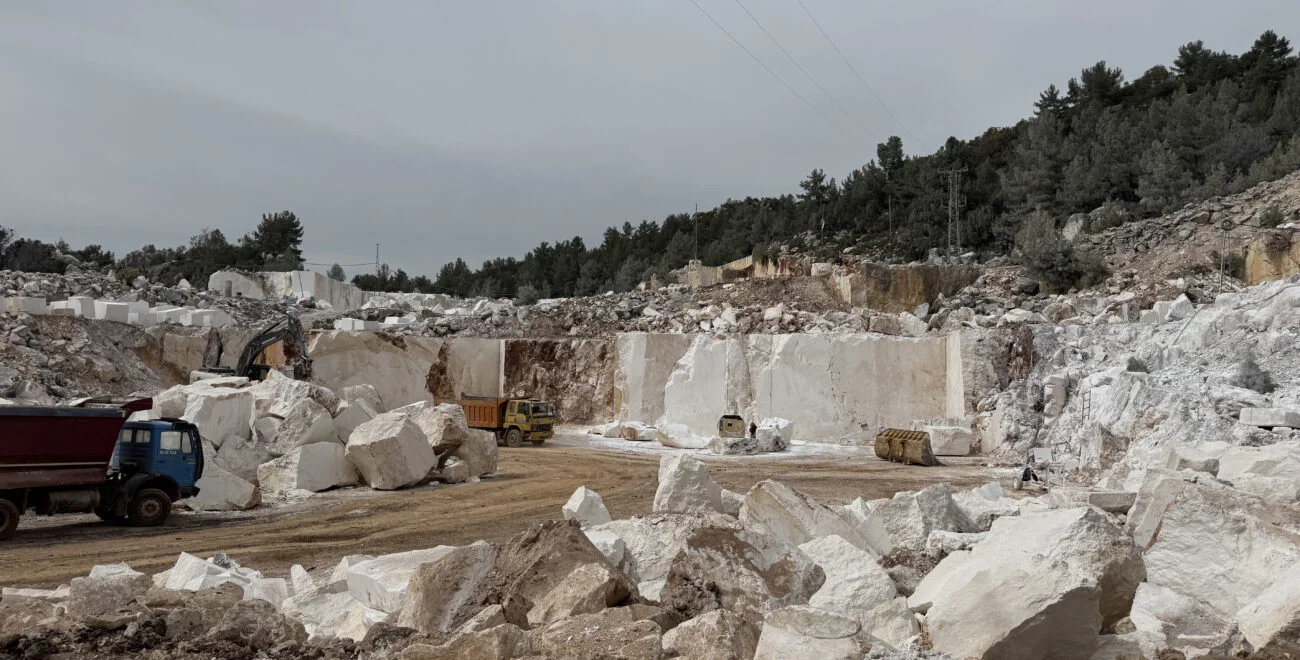
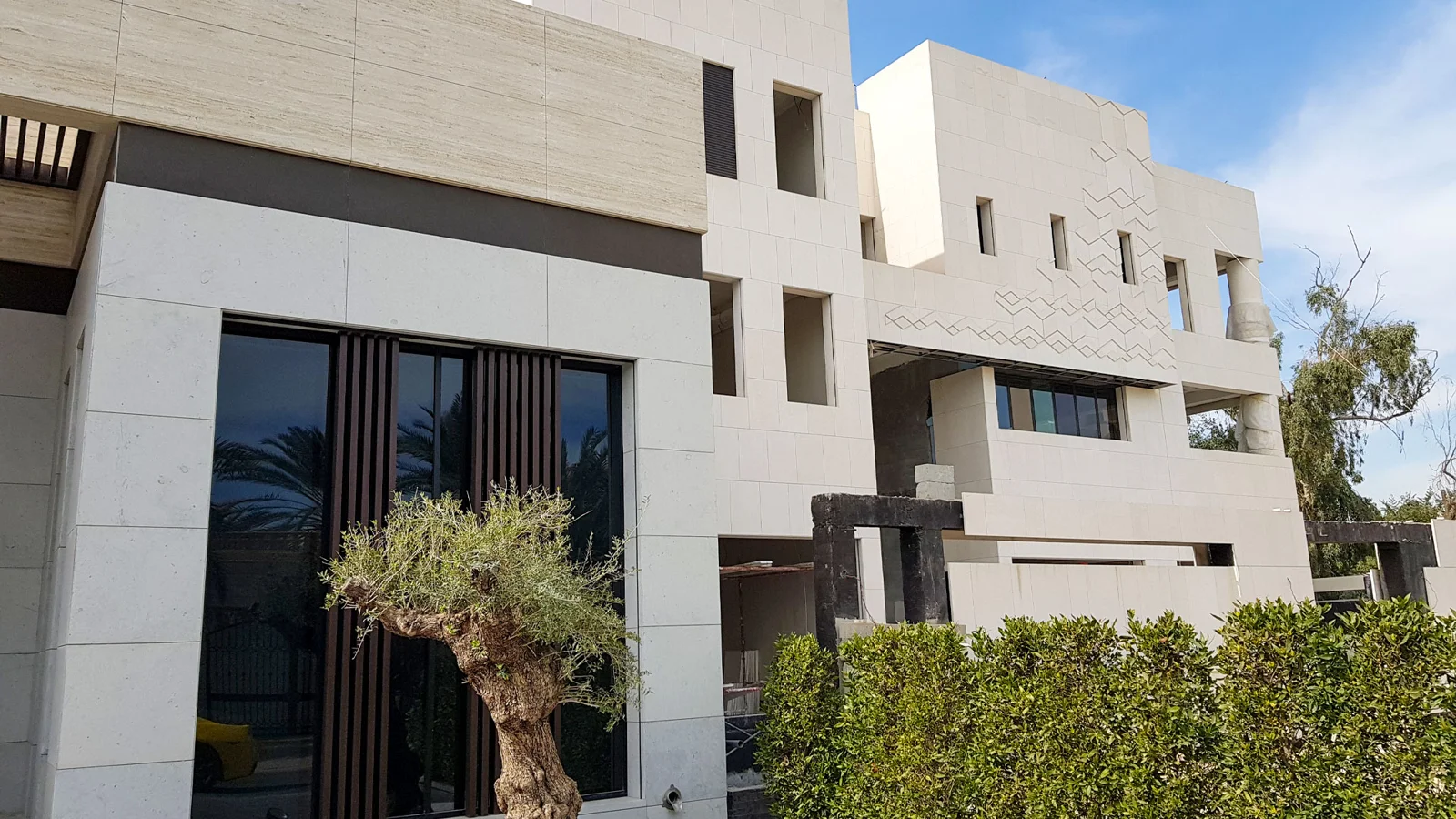
A limestone-versus-travertine discussion can become too abstract. Neither material name describes a single appearance or a universal performance level. Begin by identifying the limestone and travertine selections actually available for the project. Put the samples beside the glazing, metalwork and other exterior finishes. Then compare the complete palette rather than judging each stone in isolation.
The Natural Stone Institute discusses both limestone and travertine as materials with a history of exterior use. That history is useful context, but it does not approve the particular material and wall system being proposed for your building. The specific selection and its documentation still need review.
Decide how much movement the elevation should carry
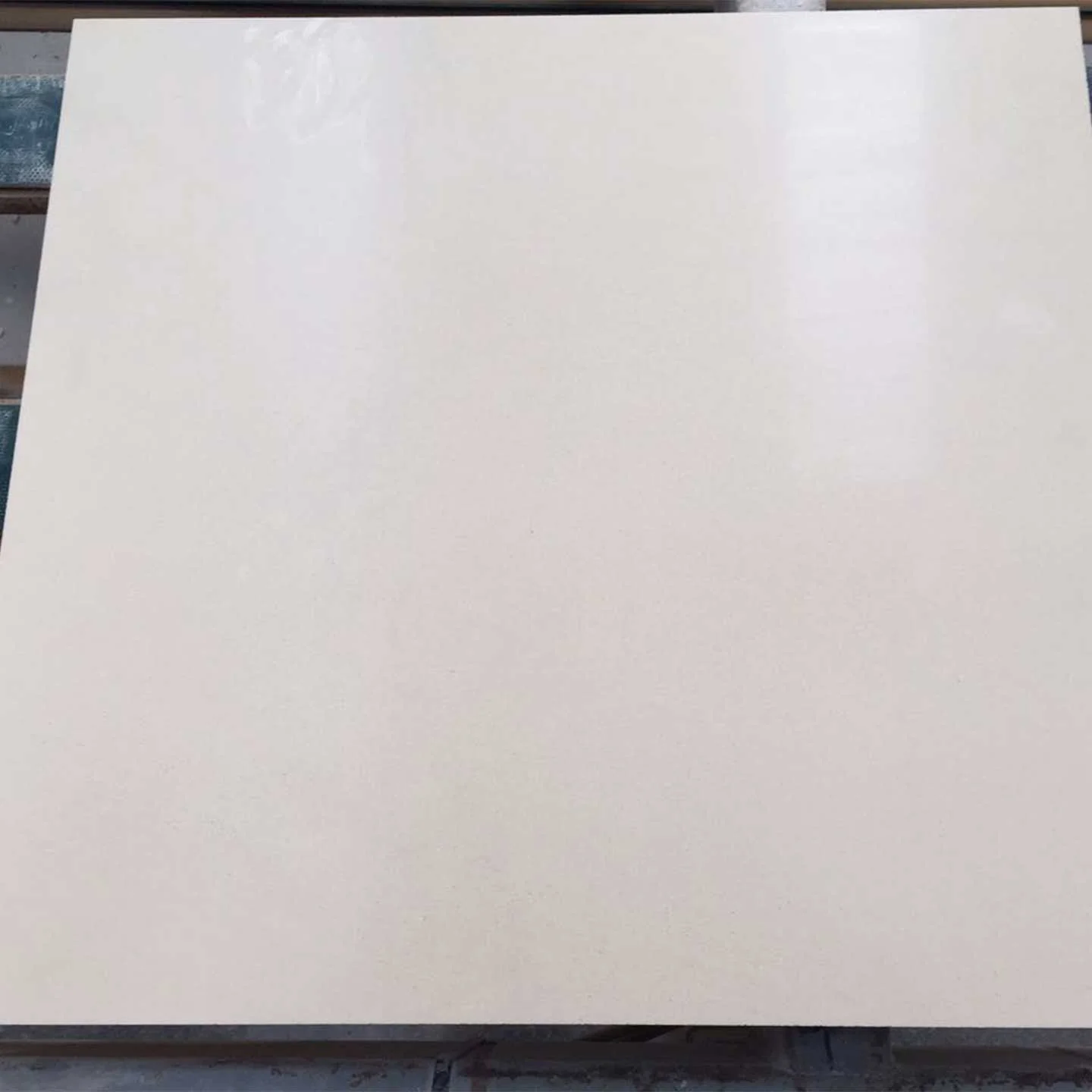
A fine-grained white limestone selection can be considered when the design direction is a quieter surface. Travertine can be explored where the design calls for more visible texture or directional movement. These are visual starting points, not rules: inspect the actual stone range, cut orientation, filling and finish before making the comparison.
Lay several samples together rather than displaying one ideal piece. Ask whether the appearance remains coherent at corners, around windows and across large panels. If vein direction matters, mark it on the elevation or cutting schedule. A supplier needs a production instruction, not just the word “consistent.”
Bring the wall assembly into the decision
Record the panel sizes, thickness intentions, joints and attachment concept alongside the visual selection. The design team must review the material evidence and the engineered wall design together. A sample does not establish an acceptable panel thickness, a fixing method or the performance of a complete facade.
Define the intended exposure and the cleaning approach as part of the selection. The Natural Stone Institute notes that these calcium-carbonate-based materials can be altered by mild acids. Ask about an appropriate maintenance approach for the actual material rather than assuming any general-purpose cleaner is suitable.
Make the approval easy to use later
The result of the comparison should be a named stone selection, an approved appearance range, a finish and a project-specific documentation list. Keep the decision connected to the drawings. When the order reaches production, the team should be able to identify what was approved and where each piece will be used.
Explore the material pages, then send the facade application and proposed dimensions with your inquiry. Availability and the sample range can be discussed against a defined project instead of an open-ended material preference.
Further reference
Bring it into your project.
Share your material preference, drawings and delivery destination to start a defined stone supply conversation.
Discuss your project