Material / Travertine
Travertine for your architectural palette.
Explore travertine for walls, paving and architectural features. Specify the intended cut, surface treatment and appearance together so the material matches the design direction.
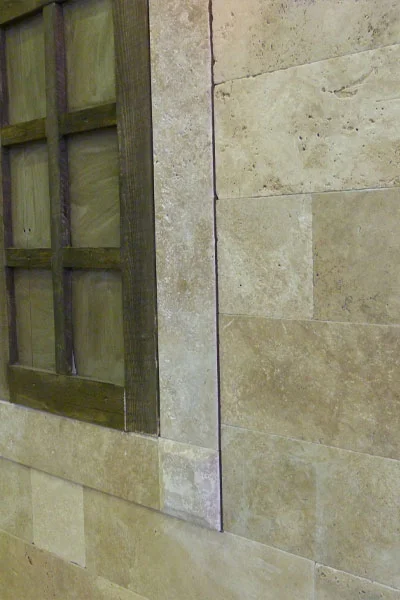
Material, with intention.
Travertine offers a textured material expression. The appearance of open cavities, filling and surface finishing should be agreed through samples. A small image cannot communicate all the visual variation across a larger installation.
Selection & appearance
Discuss vein-cut or cross-cut appearance with your project inquiry and ask what is available in the current sourcing range. Define filled or unfilled presentation and the preferred surface finish during sample review.
Products to explore
Wall cladding, slabs, tiles, paving, coping and architectural components, subject to application review.
Browse product familiesBefore you specify
Agree the sample range, cut orientation, filling, finish, use location and project performance requirements. For outdoor paving, discuss water exposure, surface traction and maintenance with the design team.
Read the stone specification guideYour questions, answered.
Should travertine be filled or unfilled?
The choice affects appearance and maintenance. Review physical samples for the intended use and agree the filling and finish before the production specification is finalized.
Can travertine be used for paving?
Travertine paving is part of the sourcing range. Confirm the selected material, finish, loading, exposure and installation design for the specific outdoor application.
Your next project.
A clearer stone specification.
Start with the material, drawings and delivery destination.